


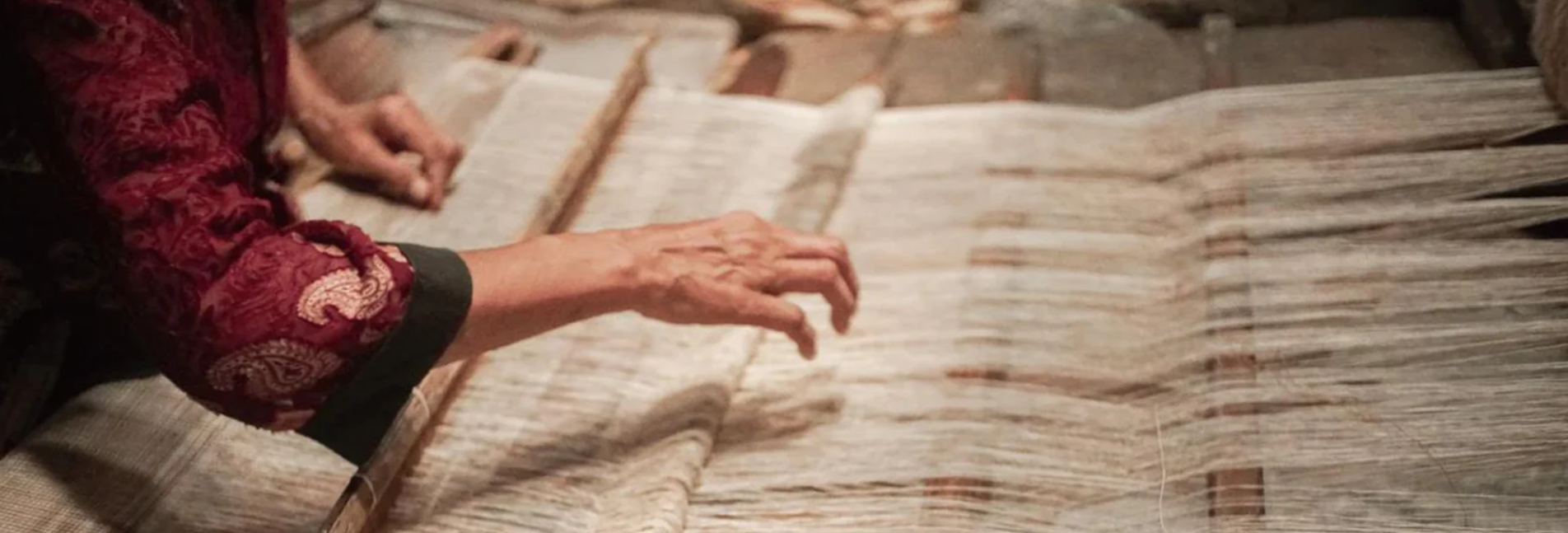
Khadi Production Process
The production of khadi remains rooted in traditional methods, preserving its essence as a handspun and handwoven fabric. The process is deeply rooted in Indian tradition. Here's a breakdown of the key steps involved, with a focus on visualizing the process:
1. Ginning:
- This is the initial step where cotton fibers are separated from the seeds.
- This traditionally was done using hand tools, but modern processes can also be used.
- Essentially, it is the cleaning of the raw cotton.
2. Spinning:
- This is where the magic truly begins. The cleaned cotton fibers are spun into yarn using a spinning wheel, most famously the "charkha."
- This process requires skill and patience, as the yarn needs to be spun evenly.
- This is where the raw cotton is transformed into thread.
3. Warping:
- Warping is the preparation of the yarn for weaving.
- It involves arranging the yarns lengthwise on a frame, creating the "warp" threads.
- These threads are the base threads that the weft threads are woven into.
4. Weaving:
- The "warp" threads are then placed on a loom, and the "weft" threads (the yarn that goes across) are woven through them.
- This is done using a handloom, which requires a great deal of skill and coordination.
- This is where the thread is transformed into cloth.
5. Dyeing:
- Khadi can be dyed using natural or synthetic dyes.
- Traditionally, natural dyes derived from plants and minerals were used, giving Khadi its characteristic earthy colors.
- Natural dyes are making a comeback due to increased intrest in sustainable practices.
The entire process is eco-friendly. It can be made from cotton, wool, or silk, hemp, bamboo, Tencel (from eucalyptus trees), and recycled polyester providing versatility while staying rooted in traditional and natural fibers. Each has its unique sustainability benefits, like bamboo's fast growth or hemp's low resource requirements.
